

There are plenty of things to do in Sapa, but this is not a destination where you simply move from one attraction to another every hour.
Sapa sits at around 1,600 meters above sea level in the Hoang Lien Son range of northwestern Vietnam. Beyond the town are steep valleys, terraced fields, mountain roads, and villages where communities such as the Black H’mong, Red Dao, and Dzay have lived for generations.
The landscape also affects how you travel here. A place that looks close on the map may involve a long downhill walk, a steep mountain road, or a trail that becomes muddy after rain. Mist can cover the mountains quickly, so the view you get in the morning may be completely different a few hours later.
For a first visit, I would spend less time trying to “see Sapa town” and more time deciding which valley, village, trek, or mountain area is actually worth your day.
12 Best Things to Do in Sapa
Take the Cable Car to Fansipan Peak
At 3,143 meters, Fansipan is the highest mountain in Vietnam and is often called the “Roof of Indochina.”
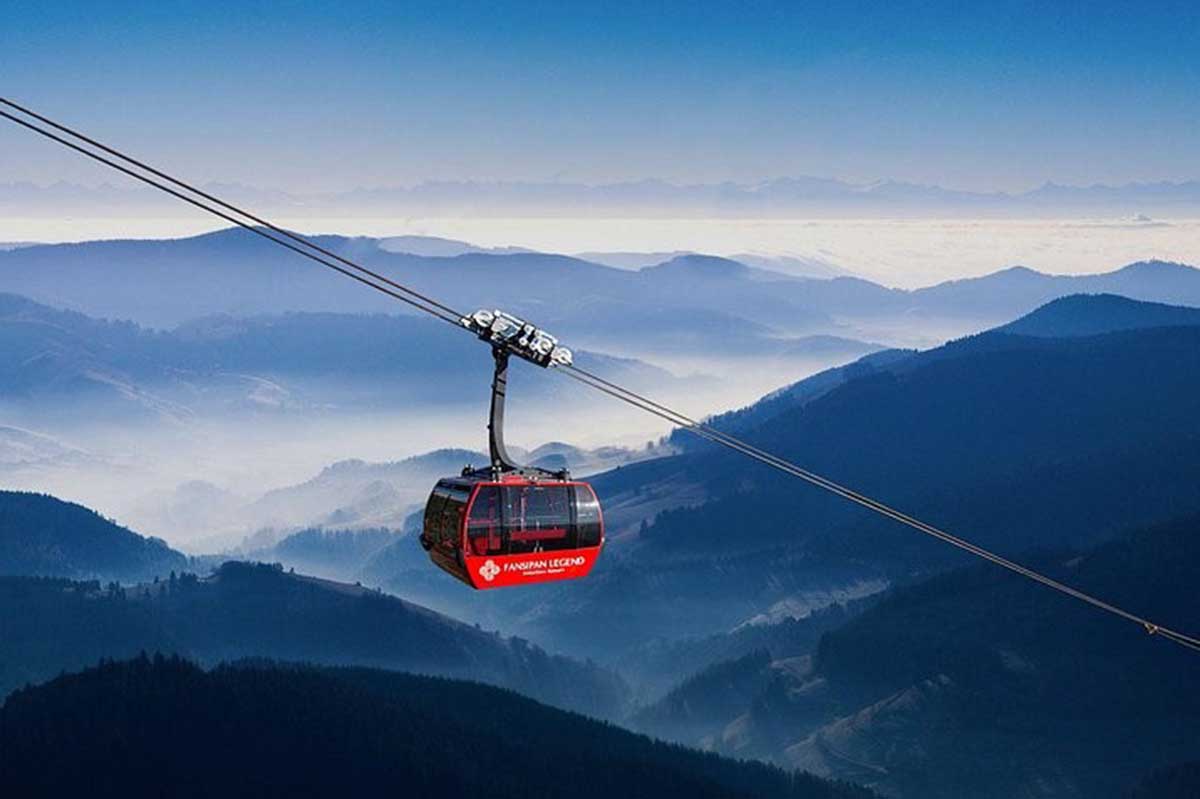
Reaching the summit once meant committing to a demanding multi-day trek. That option still exists, but most visitors now use the cable car, which covers roughly 6.3 km in around 15 minutes.
If you only have a few days in Sapa, the cable car is the practical choice. The traditional trek requires much more time, fitness, and preparation, so I would treat it as a separate trekking experience rather than another attraction to squeeze into the day.
What to Expect at the Top
Fansipan is much more developed at the top than some first-time visitors expect.
After leaving the cable car, you will find stone courtyards, Buddhist statues, temples, viewing areas, and the summit marker.
One detail is easy to miss when planning: the cable car does not take you all the way to the absolute summit.
There are still around 600 stone steps between the upper station and the highest point.
At more than 3,000 meters above sea level, those steps can feel harder than they would at lower altitude. A separate summit funicular is available if you prefer not to climb them.
| Fansipan Transport | Price | What It Does |
|---|---|---|
| Round-trip cable car | 850,000 VND | Main 15-minute cable car journey |
| Muong Hoa Funicular | 200,000 VND | Connects Sapa town with the lower cable car station |
| Summit Funicular – Round Trip | 320,000 VND | Avoids the final 600 steps |
| Using all three services | Around 1,370,000 VND | Covers the journey from town to the summit using the available rail and cable-car services |
The additional funicular can be particularly useful for older travelers, families with young children, or anyone who has difficulty with long staircases.
Check the Weather Before You Go
Fansipan is one place where I would check the weather again on the morning of the visit.
Conditions at the summit can be completely different from those in Sapa town. The streets below may be clear while the upper mountain is already hidden inside thick cloud.
That matters because the view is a large part of what you are paying for.
If the forecast looks promising, going early gives you a better chance. The first cable cars start at around 7:30 AM, and mornings generally have a better chance of clear views before cloud builds later in the day.
Mountain weather never gives you a guarantee, though. A good forecast is helpful, but be prepared for conditions to change quickly.
Trek Through Muong Hoa Valley
If you only have time for one proper trek in Sapa, Muong Hoa Valley is one of the first areas I would consider.
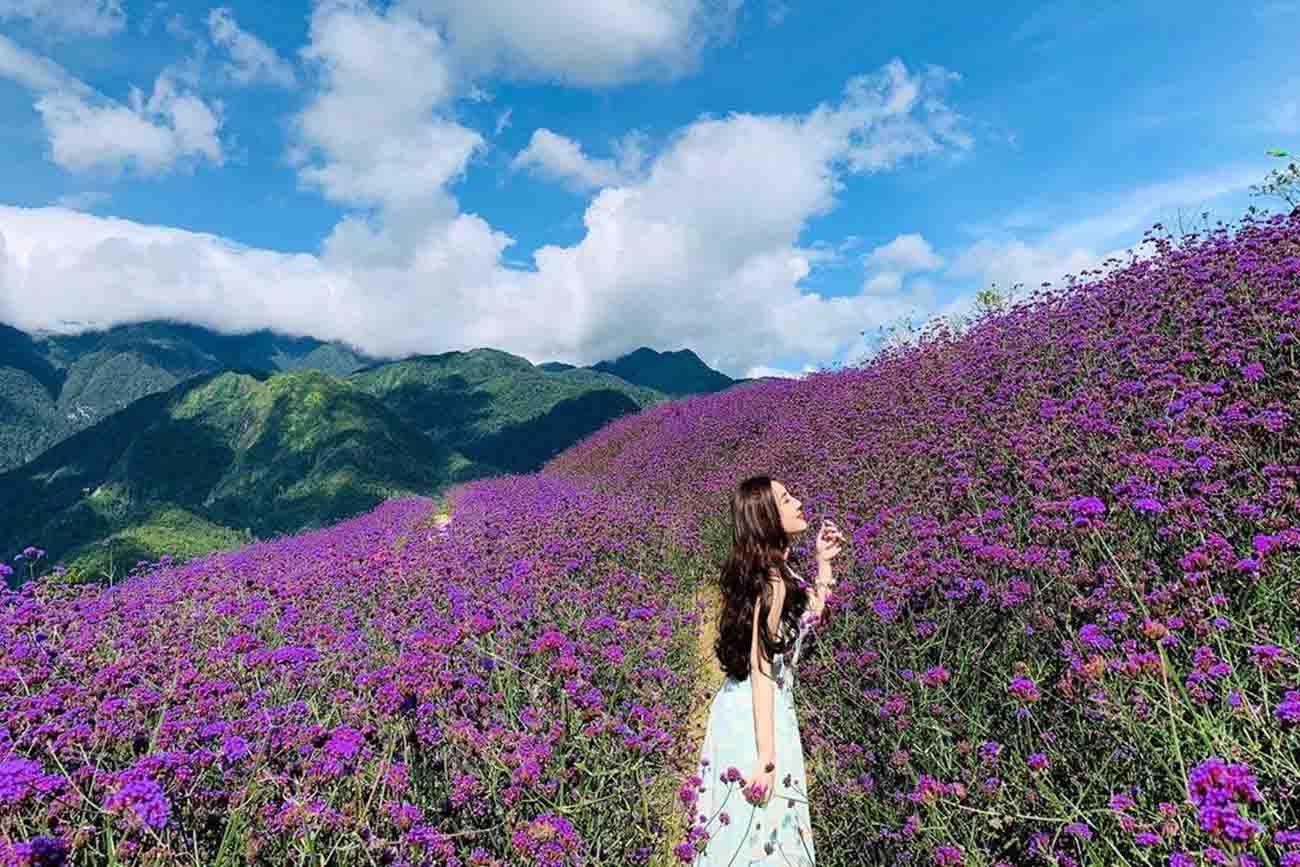
The Muong Hoa River runs through the valley below Sapa, with terraced fields covering the surrounding slopes. H’mong, Dzay, and Red Dao communities live throughout the area, so walking here gives you more context than simply stopping at a roadside viewpoint to photograph the rice terraces.
Choose a Trek That Matches Your Fitness
Not every Muong Hoa trek needs to be difficult.
Shorter half-day walks can follow lower sections of the valley using paved roads and firmer dirt trails. Longer routes go farther into the countryside or climb onto steeper sections of the valley.
Routes toward more distant areas such as Ban Ho can involve muddy slopes, narrow paths beside irrigation channels, and considerably more walking.
Do not judge a Sapa trek only by the number of kilometers.
A relatively short route can still become tiring once you add elevation changes, mud, rain, and uneven ground.
Guided or Independent?
You can walk independently along some of the main public roads, but a local guide becomes much more useful when the route leaves them.
Paths crossing the rice terraces are often poorly marked. Some pass close to farmland and irrigation channels, and it is not always obvious which route visitors should follow.
A local guide helps with navigation, but that is only part of the value. They can also explain the villages, farming practices, and communities you are passing rather than leaving you to walk through without much context.
Where possible, look for a guide or trekking organization that works directly with local residents. Many guides here are women from nearby ethnic minority communities, so booking responsibly can keep more tourism income within the villages.
There is also a practical reason: rice terraces are working farmland. They may look like open walking areas, but they are someone’s crop.
Wear Proper Shoes
Footwear matters more here than it does on an ordinary sightseeing day.
Muong Hoa trails can become very muddy after rain, particularly during the summer monsoon period. Shoes with a decent grip are much more useful than flat-soled casual sneakers.
Water-resistant trekking shoes help, as does clothing that dries reasonably quickly. I would also carry a lightweight rain jacket even when Sapa town looks dry in the morning.
Getting some mud on your shoes is normal here. It is easier to enjoy the walk once you accept that before setting off.
Walk from Lao Chai to Ta Van Village
The walk from Lao Chai to Ta Van is a good first village trek if you want something substantial without taking on one of Sapa’s harder routes.
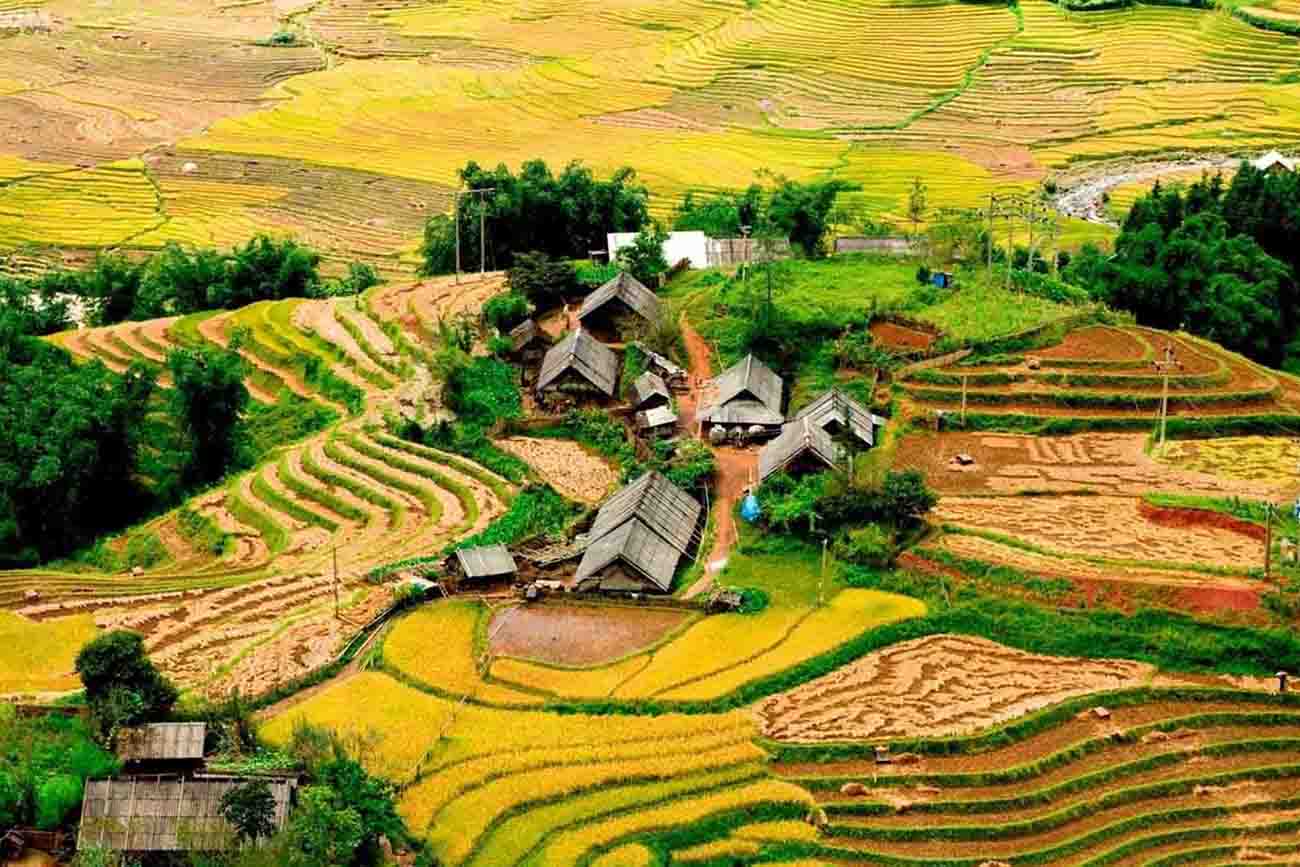
The route is around 6 – 8 km and follows the lower part of Muong Hoa Valley.
Most walks begin in Lao Chai, a large Black H’mong community.
One detail worth noticing here is the traditional textile work. Hemp is woven and dyed using natural indigo, which can leave the hands of the people working with the dye stained blue.
From Lao Chai, the route continues through the valley near the Muong Hoa River, passing terraces and farmland before reaching Ta Van.
Ta Van is mainly associated with the Dzay community. Wooden stilt houses are common, while traditional Dzay clothing tends to use brighter colors and less embroidery than the darker indigo clothing often associated with the H’mong.
Is the Lao Chai–Ta Van Walk Difficult?
For travelers with basic fitness, the route is generally manageable.
Much of it is downhill or gently rolling rather than one long, steep ascent, which makes it suitable for casual hikers who still want several hours in the valley.
Rain changes things considerably.
Muddy and slippery sections can turn an otherwise moderate walk into a much slower one, so check the weather and wear appropriate shoes.
Consider Staying in Ta Van
If your schedule allows it, there is no need to immediately board a vehicle back to Sapa town once the walk ends.
An overnight stay in Ta Van lets you remain in the valley after many of the day visitors leave in the late afternoon.
If you are already considering a homestay night, combining it with the Lao Chai–Ta Van walk is a natural way to organize the trip.
Stay Overnight in a Local Homestay
Sleeping in one of the villages gives the evening a very different rhythm from staying in central Sapa.
Villages such as Ta Van, Lao Chai, Ban Ho, and Sin Chai are much quieter after dark than the town center.
The point is not that every homestay is automatically more “authentic” than a hotel. The main advantage is simpler: you stay in the valley rather than commuting back to town at the end of your trek.
Homestay vs. Hotel in Sapa Town
A hotel normally gives you more privacy and familiar comforts such as better soundproofing, climate control, and standard hotel services.
A traditional homestay may be considerably simpler.
Depending on the property, you may find:
- Mattresses placed on the floor
- Heavy blankets
- Mosquito nets
- Shared sleeping spaces or thin partitions
- Shared bathrooms
- Simple showers with hot water
Homestays around Sapa vary a lot now, so do not assume every property follows the same setup.
If privacy, private bathrooms, or heating matter to you, check the room details before booking rather than finding out after you arrive.
The Evening Meal
A shared evening meal is often an important part of a homestay stay.
Guests may eat a home-cooked dinner with their host family, sometimes accompanied by local rice wine.
It is a simple part of the experience, but it is also something a conventional hotel does not really reproduce.
Choose the Homestay Carefully
The word “homestay” does not automatically mean the property is locally owned or family-run.
Tourism growth around Sapa has brought larger lodges and outside-owned accommodation into the villages, and some still use homestay-style branding.
If keeping more of your spending within the local community matters to you, look for community-based tourism initiatives or responsible trekking organizations that work directly with village families.
Official Vietnam Tourism also includes mountain lodges and homestays among Sapa’s core experiences for travelers who want more time around the terraces and rural communities.
If I were already trekking through Muong Hoa Valley, I would rather stay there for the night than return to town and drive back into the same valley the following morning.
Visit Cat Cat Village
Cat Cat Village is only around 2 – 3 km from Sapa town, making it one of the easiest village attractions to reach.
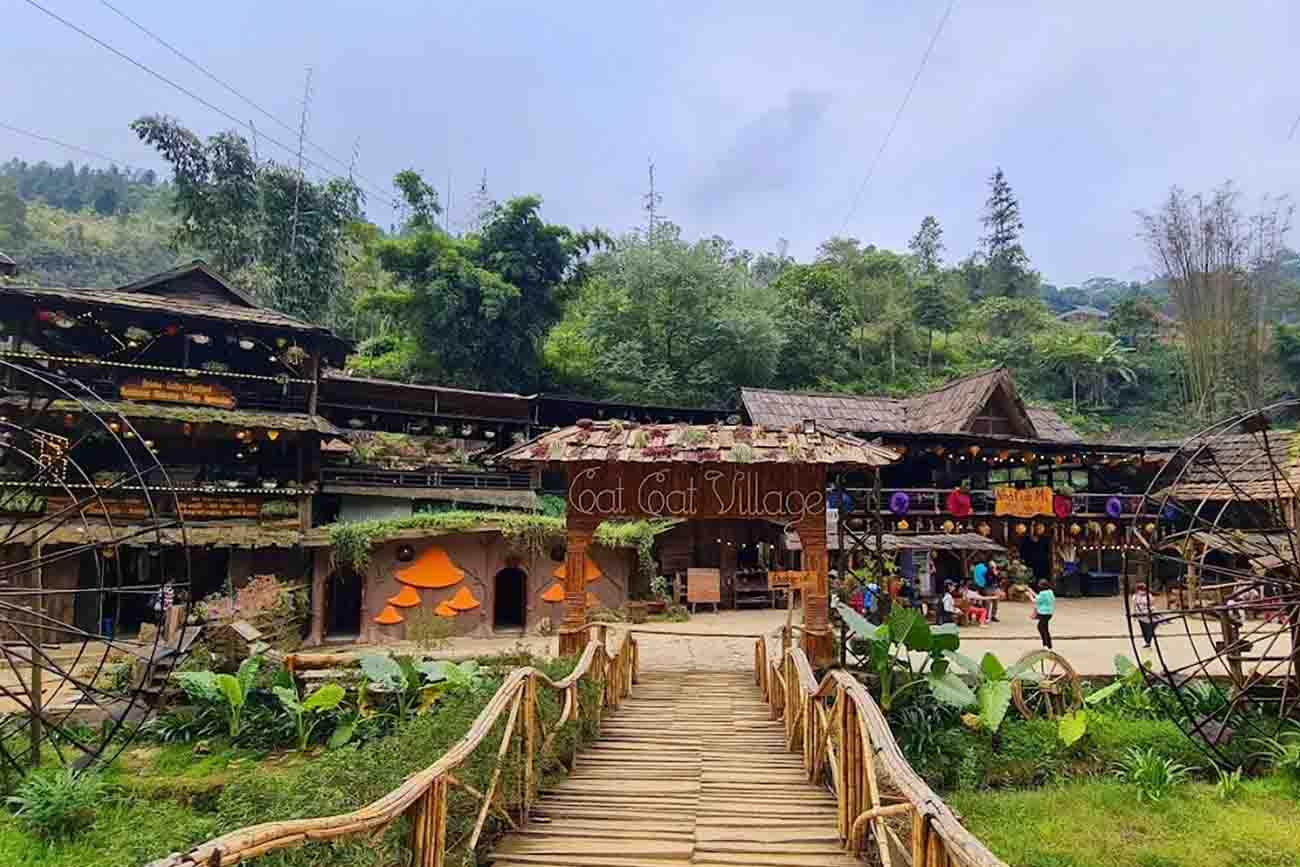
The route is structured and mostly paved, with traditional-style houses, Tien Sa Waterfall, bamboo water wheels, suspension bridges, shops, and photo areas along the way.
The village sits below Sapa in a steep ravine, so the short distance can be misleading.
A normal visit takes around 2 – 3 hours, and although the paths are paved, you still have hundreds of stone steps to deal with. The downhill section is straightforward for many visitors; climbing back out can be much more tiring.
Near the lower section is Cat Cat Waterfall, where a small hydropower station was also constructed during the French colonial period.
Who Will Enjoy Cat Cat?
Cat Cat makes sense if you have limited time, do not want a long mountain trek, or prefer a clearly organized walking route.
It can also work for families who are comfortable with the stairs.
What I would not do is describe it as an untouched village.
Cat Cat is very commercialized.
Many buildings along the route now operate as cafés, souvenir shops, or costume-rental businesses. Some visitors enjoy the convenience and photography opportunities; others find the experience too staged.
If you want a quieter walk where farming and village life remain more prominent, go farther into Muong Hoa Valley.
Cat Cat is better understood as an accessible cultural attraction close to Sapa town.
Explore Ta Phin Village
Ta Phin Village lies around 15 km northeast of Sapa town and feels noticeably quieter than Cat Cat.
Both Black H’mong and Red Dao communities live in the area, although Red Dao culture is especially visible.
Traditional Red Dao clothing commonly combines dark indigo fabric with detailed embroidery, while women are often recognized by their distinctive red headdresses.
Walking around Ta Phin is much less demanding than committing to a long mountain trek. You can spend time around the village and surrounding farmland without needing a full day of hiking.
I would allow around half a day, particularly if you also want to try the experience most closely associated with Ta Phin.
Try a Traditional Red Dao Herbal Bath
Red Dao families have traditionally collected different leaves, roots, and bark from the surrounding forest to prepare herbal baths.
The ingredients are boiled until the water develops a deep reddish color and then poured into wooden tubs, often made from Pomu wood.
The bath is traditionally used for tired muscles and general fatigue after physical work or long walks.
After a few trekking days, that is probably when it makes the most sense.
I would not schedule another demanding activity immediately afterward. Ta Phin works better as a slower half-day than as something to squeeze between two other excursions.
See Silver Waterfall and Love Waterfall
Silver Waterfall and Love Waterfall are both west of Sapa along the road toward O Quy Ho Pass.
Because they are on the same route, visiting them together is much more sensible than making two separate journeys from town.
The two waterfalls require very different amounts of effort.
Silver Waterfall
Silver Waterfall (Thac Bac) is roughly 12 – 15 km from Sapa town and can be seen from the highway.
The water drops around 200 meters down the rock face.
A constructed staircase leads toward a bridge partway up the falls, and reaching it normally takes around 10 – 15 minutes.
This is the easier stop if you want a waterfall view without a long walk.
Love Waterfall
Love Waterfall (Thac Tinh Yeu) requires more time.
From the Tram Ton Pass visitor area, the walk takes around 30 minutes each way.
The path follows the Golden Stream through bamboo forest before reaching the waterfall.
The trail is relatively gentle and maintained, but you still need to allow about an hour of walking for the return trip.
Because it sits farther from the road, the setting feels quieter than Silver Waterfall.
When to Visit
Water levels vary considerably with the season.
From around May through September, during and shortly after the summer rainy season, both waterfalls generally carry more water.
The flow can be much lighter during the drier winter months.
They can still be visited then, but do not expect them to look exactly like photographs taken at the height of the rainy season.
Combine Them With O Quy Ho Pass
I would put Silver Waterfall, Love Waterfall, and O Quy Ho Pass into the same half-day route.
You are already traveling along the same mountain road, so there is little reason to return to Sapa between stops.
Watch the Views from O Quy Ho Pass
O Quy Ho Pass runs along Highway 4D between Lao Cai and Lai Chau and is one of the “Great Four Passes” of northwestern Vietnam.
At around 2,035 meters above sea level, it is also the highest mountain pass in the country.
On a clear day, the road gives you wide views across the Hoang Lien Son mountains without requiring a long trek.
Where to Stop
You do not have to buy a ticket simply to see the mountains.
There are points along the public road where you can stop where it is safe to pull over.
The best-known paid attraction is Heaven Gate (Cong Troi) near the top of the pass.
Entry is around 120,000 VND, giving access to developed viewing decks, a pagoda, and several photo areas.
Farther along the pass is the Rong May Glass Bridge.
Tickets are around 500,000 VND, including access via a glass elevator.
Daytime or Sunset?
Late afternoon can give you attractive light across the mountains, but there is one practical issue with staying for the full sunset: you still need to travel back afterward.
Once darkness arrives, the road becomes more difficult.
Fog can form quickly at this altitude, temperatures fall, and visibility may deteriorate within a short period.
Unless you are comfortable with the road and have suitable transport, I would visit during the day or late afternoon and leave before it becomes completely dark.
Think Twice Before Riding Yourself
O Quy Ho is not a mountain road I would recommend to an inexperienced motorbike rider.
The road is steep and winding, while buses and heavy trucks use the same pass.
Fog makes the situation more difficult because a clear stretch of road can become covered in cloud surprisingly quickly.
If you do not already have solid mountain-riding experience and the appropriate license, using a car or driver is the easier choice.
There is no reason to turn a viewpoint trip into a stressful ride just to say you drove the pass yourself.
Walk Around Sapa Town
Sapa town is still worth walking around, particularly when you have a free morning or evening between longer trips.
The central area is compact, so you do not need an entire sightseeing day.
Sapa Stone Church
The main landmark is Sapa Stone Church, officially known as the Church of Our Lady of the Rosary.
French missionaries built it between 1926 and 1935 in a Roman-Gothic style using stone.
It sits beside the main square and remains one of the easiest landmarks to recognize in Sapa.
Central Square and Nearby Streets
Sapa Central Square is directly beside the church.
The open area attracts local residents, domestic visitors, and ethnic minority vendors selling handicrafts.
From the square, simply walk through the nearby streets. There are cafés, bakeries, restaurants, and trekking shops spread throughout the center.
Sapa Market
A short walk away is Sapa Market, a multi-story market selling produce, medicinal roots, brocade fabrics, and regional spices.
Two ingredients you may notice are:
- Thao qua – black cardamom
- Mac khen – a mountain pepper
The market gives you a better look at regional products than browsing only the souvenir stores around the main square.
How Long Do You Need?
For most first-time visitors, a few hours is enough for central Sapa.
The town has changed considerably over the last decade, with large hotels, traffic, construction, and tourism businesses now occupying much of the center.
That does not make it pointless to visit. It simply means the town itself is only one part of the Sapa trip rather than the reason to spend several days here.
Try Traditional Food in Sapa
Sapa’s cooler climate makes warm, filling food particularly welcome after a day outside.
One of the easiest dishes to find is salmon or sturgeon hotpot.
The fish is served in a simmering broth with vegetables, mushrooms, and highland greens, usually for sharing at the table.
On a cold or misty evening, this is one meal that fits the setting particularly well.
Try the Evening Grilled Skewers
Around the lake and central square, food stalls sell grilled skewers in the evening.
Options can include pork, beef with mushrooms, root vegetables, and tofu, cooked over charcoal and served with spicy sauces.
This is an easier choice when you want something casual rather than sitting down for a full hotpot meal.
For street food, I generally prefer a busy stall where ingredients are being cooked continuously rather than one where prepared food has been sitting around.
Thang Co
For something more traditional, thang co is one of the best-known H’mong dishes associated with the region.
It was traditionally prepared using horse meat, bones, and offal, cooked for hours with mountain spices such as cardamom and lemongrass.
The flavor is strong.
I would not order it simply because a list says it is a “must-try.” Try it if you are genuinely interested in the dish and comfortable with the ingredients.
It is traditionally eaten with corn wine.
Other Local Foods
Two much simpler options are:
Su su shoots, usually stir-fried with garlic.
Com lam, sticky rice cooked inside bamboo tubes.
They are easy additions to a meal if you want to try local food without starting with something as heavy as thang co.
Street-Food Basics
Choose stalls with good turnover and food that is being cooked fresh.
If your stomach is sensitive, hot, grilled, or thoroughly cooked dishes are the safer choice than raw vegetables or unpeeled fruit from a street stall.
There is no need to fit all of Sapa’s food into one dinner. Hotpot one evening and grilled food on another works much better.
Visit Bac Ha Market on Sunday
Bac Ha Market is not in Sapa town, so look at the travel time before automatically adding it to your itinerary.
The market operates on Sunday mornings and attracts ethnic minority communities from across the wider northern highlands.
Unlike markets in central Sapa that receive large numbers of tourists, Bac Ha remains an important place for regional trade and social gatherings.
What You Will See
The market is divided into different sections where you may find:
- Buffaloes, horses, and other livestock
- Local food, including thang co
- Farming tools
- Homemade corn alcohol
- Medicinal herbs
- Hand-woven textiles
The Flower H’mong are among the most recognizable communities at the market.
Their traditional clothing uses much brighter colors and heavier decoration than the dark indigo garments commonly associated with Black H’mong communities around Sapa.
Give Bac Ha a Full Day
Bac Ha is around 100 km from Sapa, with a journey of roughly 2.5 – 3 hours each way.
That is too much travel for a quick market stop.
I would only include it when your trip has enough time and Sunday falls naturally within the itinerary.
If you only have two or three days in Sapa, sacrificing most of one day to six hours of driving may not be the best use of your time.
With a longer stay, however, Bac Ha makes much more sense as a dedicated Sunday day trip.
Photograph Sapa’s Rice Terraces
The rice terraces around Sapa are one of the main reasons travelers come here with a camera.
Some of the best areas are south of town, particularly Muong Hoa Valley, Lao Chai, and Ta Van.
Muong Hoa works well for wider views because the terraces spread across large parts of the valley and descend toward the river.
Around Lao Chai and Ta Van, you can get closer to the fields, where terraces sit beside homes and walking paths.
The biggest thing to understand before planning a photography trip is that the fields change completely with the agricultural season.
July to August: Green Rice Fields
By July and August, the rice plants are well developed and the valleys are generally at their greenest.
This is the period to consider if the lush green terraces commonly seen in Sapa photographs are what you want.
Mid-August to Late September: Golden Rice Season
From roughly mid-August through late September, the rice gradually ripens and the terraces begin changing from green to yellow.
This is the period associated with Sapa’s golden harvest scenery.
Do not expect every field to change color or be harvested on exactly the same day.
These are working farms, and timing can vary between different parts of the valley.
May to June: Water-Pouring Season
During May and June, farmers prepare the terraces and begin filling them with water.
Before mature rice covers the fields, the flooded terraces can reflect the sky and surrounding mountains.
It produces a very different landscape from either the green or golden season.
November to April: Mostly Bare Fields
From November through April, the terraces are generally between growing seasons.
Expect more exposed earth and remaining stubble rather than the bright green or yellow fields usually shown in tourism photographs.
The mountains do not disappear, of course, but the rice terraces will look very different.
If photographing the terraces is one of the main reasons for your Sapa trip, choose the month according to what you actually want to see. July and August are better for green fields, mid-August through late September for golden rice, and May to June for flooded terraces.
Checking that before booking avoids arriving with a photograph in mind that simply does not match the agricultural season.
Which Sapa Experiences Should You Prioritize?
You do not need to fit all 12 experiences into one trip.
If you only have two or three days in Sapa, choose according to what you actually want from the trip rather than trying to tick off every attraction.
| If You Want… | Prioritize |
|---|---|
| Best mountain views | Fansipan + O Quy Ho Pass |
| Rice terraces | Muong Hoa + Lao Chai + Ta Van |
| Trekking | Muong Hoa Valley |
| Local culture | Ta Van + Ta Phin |
| Easy sightseeing | Fansipan + Cat Cat |
| Photography | Muong Hoa + O Quy Ho Pass |
| Quiet countryside | Ta Van or Ta Phin |
| Food | Sapa town in the evening |
For a first visit, I would build the trip around one proper trekking or village day, then add Fansipan or the road toward O Quy Ho when the weather looks good.
That gives each day a clear purpose and leaves enough time to actually enjoy the places you came to see.
How Many Days Do You Need in Sapa?
For most first-time visitors, 3 days in Sapa is a good amount of time.
Two days can work, but the trip becomes noticeably tighter once you include the journey from Hanoi. Traveling by bus takes around 5–6 hours, while an overnight sleeper train such as Chapa Express or Victoria Express takes roughly 8 hours.
For that reason, Sapa is not somewhere I would treat as a practical day trip from Hanoi.
- Recommended for you: Vietnam Itinerary 7 Days
2 Days in Sapa
Two days gives you enough time for a quick introduction, but you need to be selective.
If the weather is clear on the first morning, start with the Fansipan cable car. Once you return, spend a few hours around Sapa Stone Church, the central streets, and nearby cafés.
Use the second day for one village experience or a short trek.
Cat Cat Village is easy to organize and close to town. If the rice terraces are more important to you, choose a shorter guided route through Muong Hoa Valley instead.
With only two days, trying to include Fansipan, Muong Hoa, O Quy Ho, several villages, and both waterfalls creates more transport than sightseeing.
Pick the places that matter most and leave the rest for another trip.
3 Days in Sapa
Three days gives you much more room, particularly if trekking is one of the reasons you came.
A practical first-trip plan could look like this:
- Day 1: Fansipan in the morning, followed by a few hours around Sapa town.
- Day 2: Spend the day trekking through Muong Hoa Valley, including the Lao Chai–Ta Van route.
- Day 3: Explore Ta Phin Village, or use the day for Silver Waterfall, Love Waterfall, and O Quy Ho Pass if the weather is suitable.
This is the length of stay I would choose for a first visit.
You get one proper day in the valley without having to give up Fansipan or the mountain scenery west of Sapa, and there is still enough breathing room that every day does not need to run from early morning until dark.
4 Days or More
Four days or longer is more useful if trekking, photography, or village stays are a major part of the trip.
Instead of returning to Sapa town every evening, you can spend a night in a homestay around Ta Van or another village, then continue through the valley the following day.
Extra time also gives you something particularly valuable in Sapa: flexibility.
Fog can ruin a Fansipan morning, while heavy rain can make a planned trekking route much harder. With another day available, you have a better chance of moving activities around instead of doing them in poor conditions simply because the itinerary says you have to.
If your visit includes a Sunday, a longer stay also makes it easier to dedicate a full day to Bac Ha Market. The market is around 100 km away and requires roughly 2.5–3 hours of travel each way, so it deserves its own day.
As a simple rule:
- 2 days works for the main highlights.
- 3 days gives you a balanced first trip.
- 4 days or more is better for longer treks, homestays, photography, or Bac Ha.
Best Time to Visit Sapa for Different Experiences
There is no single best month for every type of Sapa trip.
The rice terraces, trekking conditions, mountain visibility, and winter weather all follow different seasonal patterns. A month that is excellent for green rice fields may also bring more rain, while a dry trekking month may not give you the terraces you have seen in photographs.
Choose the season according to your main reason for visiting.
Best Time for Rice Terraces
The terraces change throughout the farming cycle.
For the water-pouring season, when recently flooded fields reflect the sky, look at May to June.
By July and August, the rice is well developed and much of the valley is green.
The golden harvest period generally runs from around mid-August to late September, when the plants begin turning yellow before they are cut.
If golden fields are the main reason for your trip, timing becomes particularly important. By early October, some areas may already have been harvested.
These are working farms, so there is no exact date when every terrace changes color at the same time.
Best Time for Trekking
For trekking, April to May and late September through October are the periods I would look at first.
Spring generally brings milder temperatures and more comfortable walking conditions.
Late September and October are cooler, and rainfall usually begins to ease.
That makes a noticeable difference on the trails around the rice terraces. Much of the ground contains clay, so heavy rain can turn a route that feels straightforward in dry conditions into a slippery and tiring walk.
Best Time for Clear Mountain Views
Autumn is one of the better periods for mountain views around Fansipan and O Quy Ho Pass.
Winter can also produce the well-known sea of clouds from higher elevations.
From December through February, colder air and cloud conditions can create impressive views above the cloud layer, but the higher you go, the colder it becomes.
Fansipan is still worth checking on the morning of your visit. Clear skies in Sapa town do not guarantee visibility at more than 3,000 meters.
What Is Sapa Like in Winter?
Winter generally runs from late November to early March.
Daytime temperatures in Sapa town are often around 14–16°C, while nights may fall to around 7–9°C and can approach freezing during stronger cold spells.
Mist is common.
Snow is rare, although frost and occasional light snowfall can occur in the higher parts of Fansipan during particularly cold periods.
Those events often attract more domestic visitors to the area.
If Sapa is part of a longer Vietnam trip, do not pack for it as though the weather will be the same as Hanoi or the warmer parts of the country. Bring proper layers.
Rain, Fog, and Mountain Weather
Weather can change quickly at any time of year.
A clear morning may turn cloudy within a few hours, and fog can completely hide the surrounding mountains.
According to Vietnam Tourism, April and May often bring pleasant conditions and relatively clear skies, while September and October are particularly popular for the rice terraces. November through March is generally colder.
The wettest period is the summer monsoon from June through August.
This is also when the valleys can be very green, so there is a trade-off. You may get excellent rice scenery but also wetter trails, more difficult road conditions, and a greater risk of disruption after prolonged rainfall.
For summer travel, leave some flexibility rather than booking every trek and viewpoint around a fixed hour.
For most first-time visitors, April–May and late September–October provide a useful balance between weather, trekking, and scenery.
If rice photography matters more than anything else, choose your dates according to the stage of the fields rather than the general weather recommendation.
- Also read: Best time to visit Sapa
How to Get Around Sapa
The best way to get around depends heavily on where you are going. Inside Sapa town, walking is usually enough.
Once you start heading toward villages, waterfalls, mountain passes, or deeper sections of the valley, you will normally combine walking with a taxi, local transfer, private car, or guide.
Walking and Trekking
For Muong Hoa Valley, Lao Chai, and Ta Van, walking is part of the experience rather than simply transportation.
Some routes are relatively gentle. Others involve steep slopes, mud, irrigation channels, and long stretches away from the main road.
Do not assume your phone will solve every navigation problem.
Mobile reception can become unreliable farther into the valleys, and smaller trekking routes are not always clearly marked.
Independent walking is fine on straightforward roads and obvious routes. For longer treks that cross farmland or less clearly marked paths, a local guide is much more useful than trying to follow a line on an online map.
Taxis and Local Transfers
Taxis and electric buggies are useful for shorter journeys around Sapa.
They can take you from town to places such as Cat Cat Village, trekking starting points, or the Fansipan cable car area without the need to rent a vehicle.
Depending on the service, fares may be metered or agreed in advance. If there is no meter, confirm the price before leaving.
For attractions spread along the same road, a private car can be more practical than repeatedly arranging separate rides.
A good example is the route linking Silver Waterfall, Love Waterfall, and O Quy Ho Pass.
A driver lets you visit all three in sequence and also gives you somewhere sheltered if rain or fog rolls in while you are out.
Renting a Motorbike
Motorbike rental is common in Sapa, but that does not mean it is the right choice for every traveler.
Roads outside town can be steep and winding, with sharp bends, trucks, buses, sudden fog, and slippery surfaces after rain.
Think carefully before riding yourself if:
- You have little experience on mountain roads
- You are uncomfortable with steep descents
- The road is wet
- Fog is reducing visibility
- You are unfamiliar with manual or semi-automatic motorbikes
- You do not have the appropriate license
Conditions also change as you gain elevation.
A road can look simple near Sapa town and become much more demanding farther into the mountains.
For somewhere such as O Quy Ho Pass, I would choose a car or experienced driver if I were not already confident riding in steep mountain conditions.
There is no reason to rent a motorbike simply because other travelers do.
Hiring a Local Guide
A guide is most useful once trekking becomes more than a walk along an obvious road.
They can help you follow the correct route, but they also add context to what you are seeing: how the terraces are farmed, which communities live in different villages, and how local customs vary across the valley.
Without that context, it is easy to walk through a village, take photographs, and leave without learning very much.
Local organizations such as Ethos and Sapa Sisters connect travelers with H’mong and Dao women from surrounding communities.
Using organizations that work directly with local guides can also help keep more tourism income within the villages.
For a short independent walk, you may not need a guide at all. For a longer Muong Hoa trek or less obvious village route, the extra local knowledge is worth considering.
What to Pack for Sapa
Packing for Sapa requires a little more thought than packing for lowland Vietnam because temperatures and conditions can change between the town, valleys, and higher areas such as Fansipan.
Start with comfortable walking or trekking shoes with good grip.
Trails through the terraces can be uneven, steep, and extremely muddy after rain. Flat casual shoes may be fine around town but are much less useful once you start trekking.
A lightweight rain jacket is useful throughout the year.
Bring layers for cooler evenings and higher elevations, so you can add or remove clothing as conditions change.
Winter visitors need considerably warmer clothing, including a proper jacket and, during colder periods, a hat and gloves.
For daytime trips, I would also pack sunscreen, a hat, a small backpack, and enough drinking water.
Carry some cash in smaller Vietnamese Dong notes when visiting villages because cards and ATMs are much less reliable outside Sapa town.
Before a longer walk, download offline maps as a backup.
You do not need specialist trekking equipment for every Sapa trip, but good footwear, rain protection, layers, water, and some cash solve most of the practical problems visitors run into.
Practical Tips Before Visiting Sapa
Don’t Try to See Everything in One Day
Sapa looks compact on a map, but mountain roads and trekking routes make travel slower than the distances suggest.
I would not combine Fansipan, a long Muong Hoa trek, and the waterfalls or O Quy Ho Pass into one day.
You may technically be able to move quickly between some of them, but that creates a schedule built around transfers rather than the places themselves.
A much easier way to plan is to give each day one main area or physical activity.
For example, use one day for Muong Hoa Valley, then another for Fansipan and Sapa town or the route toward O Quy Ho.
Check the Weather Before Fansipan
The round-trip Fansipan cable car costs around 850,000 VND, and the mountain view is a large part of the experience.
If the summit is covered in dense cloud, you may reach the top without seeing much beyond the immediate viewing area.
When your schedule allows it, check conditions in the morning and move Fansipan to another day if heavy fog or strong winds are expected.
Remember that Sapa town and the summit at 3,143 meters can have very different weather at the same time.
Expect Mud and Uneven Ground
The rice terraces are working farmland rather than a purpose-built hiking park.
Many trails are narrow, uneven, or run beside irrigation channels, and handrails are uncommon.
Rain changes the ground quickly.
Clay-rich paths can become slippery enough that the same route requires much more time and concentration after a downpour.
Good shoes help, but so does adjusting your pace instead of trying to walk as though you were on a paved city path.
Carry Cash in the Villages
Cards and digital payments are becoming more common in Sapa town, but they are less reliable in rural villages.
Keep some small Vietnamese Dong notes for:
- Water
- Simple meals
- Village entrance fees
- Local handicrafts
Small notes are particularly useful when buying directly from local vendors who may not have enough change for a large bill.
Ask Before Photographing People
Traditional H’mong, Red Dao, and Dzay clothing attracts plenty of cameras.
The person wearing it is still a person going about their day, not part of the scenery.
If you want a portrait, ask first.
A smile, eye contact, and a simple gesture toward your camera is much more respectful than taking a close photograph without warning.
The same applies inside villages. Daily life should not be treated as though it has been arranged for visitors to photograph.
Support Local Guides and Businesses
Tourism brings significant income into Sapa, but not all of that money stays with the communities visitors travel into the valleys to see.
Where possible, choose local guides, family-run accommodation, locally owned restaurants, and crafts purchased directly from the people who make them.
Community-based tourism organizations can also help connect travelers with H’mong, Dao, and other local guides.
There is a practical benefit as well.
Someone who lives in the area can explain why a particular path is used, how the rice terraces are managed, or what is happening in a village in a way that a quick sightseeing stop rarely can.
Remember That the Villages Are Real Communities
This is probably the point I would most want first-time visitors to keep in mind.
The villages around Sapa are places where people live and work, not outdoor museums.
The houses belong to families. The terraces are crops. The trails may also be routes used for school, farming, and everyday travel.
Do not step through planted fields because the angle is better for a photograph, and do not enter or look into a private home unless you have been invited.
If children approach you, avoid handing out cash or sweets directly, as this can encourage begging rather than creating a useful interaction.
There are better ways to spend money locally.
Stay in a family-run homestay. Join a textile or batik workshop. Buy handicrafts directly from an artisan when you genuinely want them. Use a local guide or share a meal with a host family.
And sometimes there is nothing you need to “do” at all.
Walking quietly through a village, asking permission before taking photographs, and remembering that normal life is happening around you is enough.
That approach is more respectful, and it also makes the experience feel much less staged.
Is Sapa Worth Visiting?
Yes, Sapa is still worth visiting, particularly if mountains, trekking, and rice terraces are high on your list.
The center of town has changed considerably. It can be busy, commercial, and much more developed than the quiet hill town some travelers expect.
But judging Sapa only by its central streets misses most of the reason for coming here.
Once you move into Muong Hoa Valley and the surrounding villages, the scale of the Hoang Lien Son mountains becomes much clearer. The rice terraces also make more sense when you walk beside them and see how they fit into the slopes rather than viewing them only from a roadside stop.
Who Will Probably Enjoy Sapa?
Sapa is a good fit if you enjoy:
- Mountain scenery
- Trekking and long walks
- Rice-terrace photography
- Rural villages
- Learning about local ethnic communities
- Cooler weather than much of lowland Vietnam
You will get more from the trip if you are comfortable spending several hours outdoors and do not mind steep paths, changing weather, or some mud after rain.
Who Might Prefer Somewhere Else?
Sapa may be less suitable if your priority is:
- Completely untouched wilderness with very few other visitors
- Flat, effortless walking
- A quiet town with almost no commercial development
- A tropical resort holiday with very little physical activity
There are quiet parts of Sapa, but you normally have to leave the busiest part of town to find them.
Triplory’s Recommendation
For a first visit, give the countryside at least one proper day.
That might mean trekking through Muong Hoa Valley, walking from Lao Chai to Ta Van, or staying overnight in a village homestay rather than returning to town immediately after your trek.
Fansipan, Sapa Stone Church, and the town center are all worth seeing, but I would not let them take up the entire trip.
If your schedule only allows enough time to arrive, explore the town, take the Fansipan cable car, and leave again, you will still see some of Sapa’s main highlights.
But the valleys and villages are where the trip begins to feel different from a simple mountain sightseeing stop.
That is the part of Sapa I would make room for.